Rekeying vs. Lock Replacement: Which Is Best for Your Security?
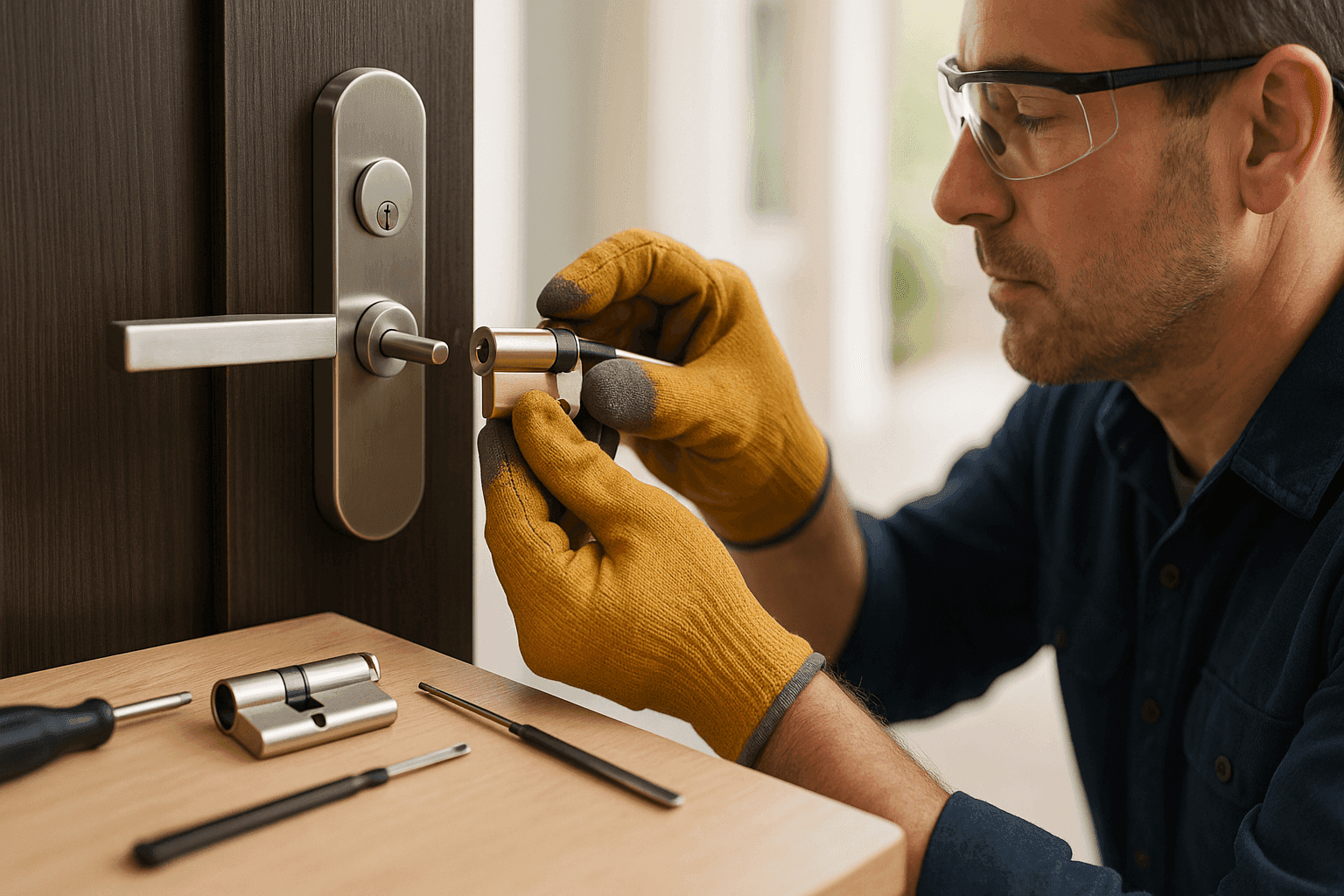
Have you ever found yourself standing outside your home or business, key in hand, wondering, “Is it time to change my locks—or can I just rekey them?” You’re not alone. Every day, people across the country ask this same question—right after a move, a lost key, or a break-in. The decision isn’t just about a piece of metal and a turning handle. It’s about your safety, your peace of mind, and the security of everyone inside.
At Safe Solutions, we know that not all locks—or situations—are created equal. We help homeowners, landlords, and businesses make the right choice, any time, day or night. Let’s break down what you need to know, so you can take the next step with confidence.
Understanding the Problem: Rekeying or Full Replacement?
Imagine your lock as the gatekeeper to your world. Rekeying is like giving that gatekeeper a new uniform and new orders—same gate, different rules. Full replacement is swapping the gatekeeper out entirely, with someone new, possibly stronger or better suited for the job.
But which fits your situation? Here’s where it gets real:
- Rekeying changes the internal pins and springs of your existing lock, so old keys won’t work.
- Lock replacement means removing the entire lock mechanism (and sometimes the handle or door hardware) and installing a new one.
The stakes are high—especially after a move, a lost key, or a security scare. Choosing the right method affects cost, convenience, and your long-term security.
Quick Safety Checklist: Do You Need Rekeying or Replacement? 🔑
Before you decide, run through these questions:
- Have you lost a key or had one stolen?
- Are you moving into a new home, office, or rental?
- Has a tenant or employee recently left, and not returned all keys?
- Is your current lock damaged, rusted, or sticking?
- Do you want to upgrade to stronger or more modern locks?
- Has there been a break-in or attempted burglary?
- Are your locks over 10 years old, or showing signs of wear?
If you answered “yes” to any of these, action is needed. Which option is best depends on your answers and your specific door hardware.
DIY vs. Call a Pro
It’s tempting to tackle a lock problem yourself. YouTube makes it look easy. But locks are like puzzles—one missing piece, and security goes out the window.
- DIY Rekeying kits exist, but require steady hands and knowledge of pin sizes. A small mistake can leave your property vulnerable.
- DIY Replacement can work if you’re handy, but mismatched hardware or poor installation makes break-ins easier.
When should you call an emergency locksmith?
- If you’re locked out, have lost all keys, or can’t get the lock apart.
- If you’re not sure about building codes (see: local fire or insurance requirements).
- If you’re dealing with commercial or high-security locks.
Safe Solutions’ technicians are certified and insured, using industry-standard tools and techniques. We protect you—and our work—against liability and damage.
What the Pros Do On Arrival
When you call Safe Solutions for rekeying or lock replacement, here’s what you can expect:
Rekeying Near You
- Inspect the lock for damage or wear.
- Disassemble the lock cylinder and replace the internal pins.
- Cut new keys that match the updated pins.
- Test everything for smooth operation.
- Advise on any hidden weaknesses (rust, misaligned doors, or outdated hardware).
Lock Replacement
- Assess your current door, frame, and security needs.
- Remove the old lock and check for any hidden damage.
- Install a new lock, making sure it fits tightly and aligns with the strike plate.
- Demonstrate operation and provide new keys or codes.
- Recommend security upgrades if needed (smart locks, deadbolts, reinforced plates).
Both services are performed with careful attention to certification and safety guidelines. Our locksmiths follow standards set by industry bodies such as the Master Locksmiths Association and relevant local building codes.
Prevention & Maintenance: Staying Ahead of Problems
Locks, like any moving part, need care. Here’s how to keep your property secure:
- Lubricate locks every 6–12 months with graphite or silicone spray.
- Check for loose screws or misaligned doors.
- Replace keys that are bent, worn, or cracked.
- Don’t ignore sticky locks—address issues early, before they fail.
- Upgrade locks as your security needs change (after a move, renovation, or staff turnover).
Routine checks by a professional locksmith can spot issues before they become emergencies.
Costs & Time Factors: What Should You Expect?
No two jobs are identical. But here are some reasonable expectations:
Rekeying
- Usually costs less than full replacement.
- Takes about 15–30 minutes per lock, depending on complexity and number.
- You keep your existing hardware—lower material cost.
Lock Replacement
- Costs more, especially if upgrading to high-security or electronic locks.
- Time varies: 30–60 minutes per lock, not including any door or frame repair.
- Materials can add up, especially for commercial-grade or smart locks.
Important: If your lock is damaged, outdated, or not compliant with insurance or building codes, replacement is often the safest choice.
When It’s an Emergency 🚨
Sometimes, you can’t wait. Here are red flags that mean you need an emergency locksmith now:
- Locked out with no spare key, especially at night or in bad weather.
- Signs of tampering, break-in, or forced entry.
- Lost master keys or access cards at a business.
- Damaged locks after a burglary or attempted break-in.
- Malfunctioning digital or electronic locks.
Safe Solutions specializes in rapid response—24/7 emergency locksmith service, with certified technicians ready to secure your property.
FAQ: Rekeying & Lock Replacement
Can I rekey any lock?
Most modern locks can be rekeyed, but some older or damaged models may need replacement. High-security locks often require special tools or parts.
How often should locks be changed or rekeyed?
After any move, tenant turnover, lost or stolen keys, or security breach. For businesses, consider a regular schedule—every few years or after significant staff changes.
Will rekeying affect my insurance?
Some insurers require proof of lock changes after a break-in or new tenancy. Always check your policy and keep documentation from Safe Solutions.
Is rekeying as secure as replacing the lock?
If the lock itself is in good condition, rekeying is just as secure as replacement. Damaged, worn, or outdated locks should be replaced.
Local & Seasonal Considerations
Weather matters. Cold snaps can cause metal parts to contract, making old locks stick or jam. Humidity and rain can rust unprotected hardware. In some areas, insurance or council regulations require certain types of locks—especially for commercial premises.
Landlords: Tenant changeover laws may require you to rekey or replace locks between occupants. Business owners: Master key systems and access controls need regular updates to prevent unauthorized access.
Safe Solutions’ technicians are trained to handle local codes, seasonal challenges, and the unique needs of both homes and businesses.
Making the right choice between rekeying and replacement isn’t just about money—it’s about protecting what matters most. Safe Solutions is here to listen, advise, and act—24/7, for every emergency locksmith need.
Call Safe Solutions now — or reach us anytime at 888-814-8805 .