How to Choose the Right Locksmith for Emergency and Security Needs
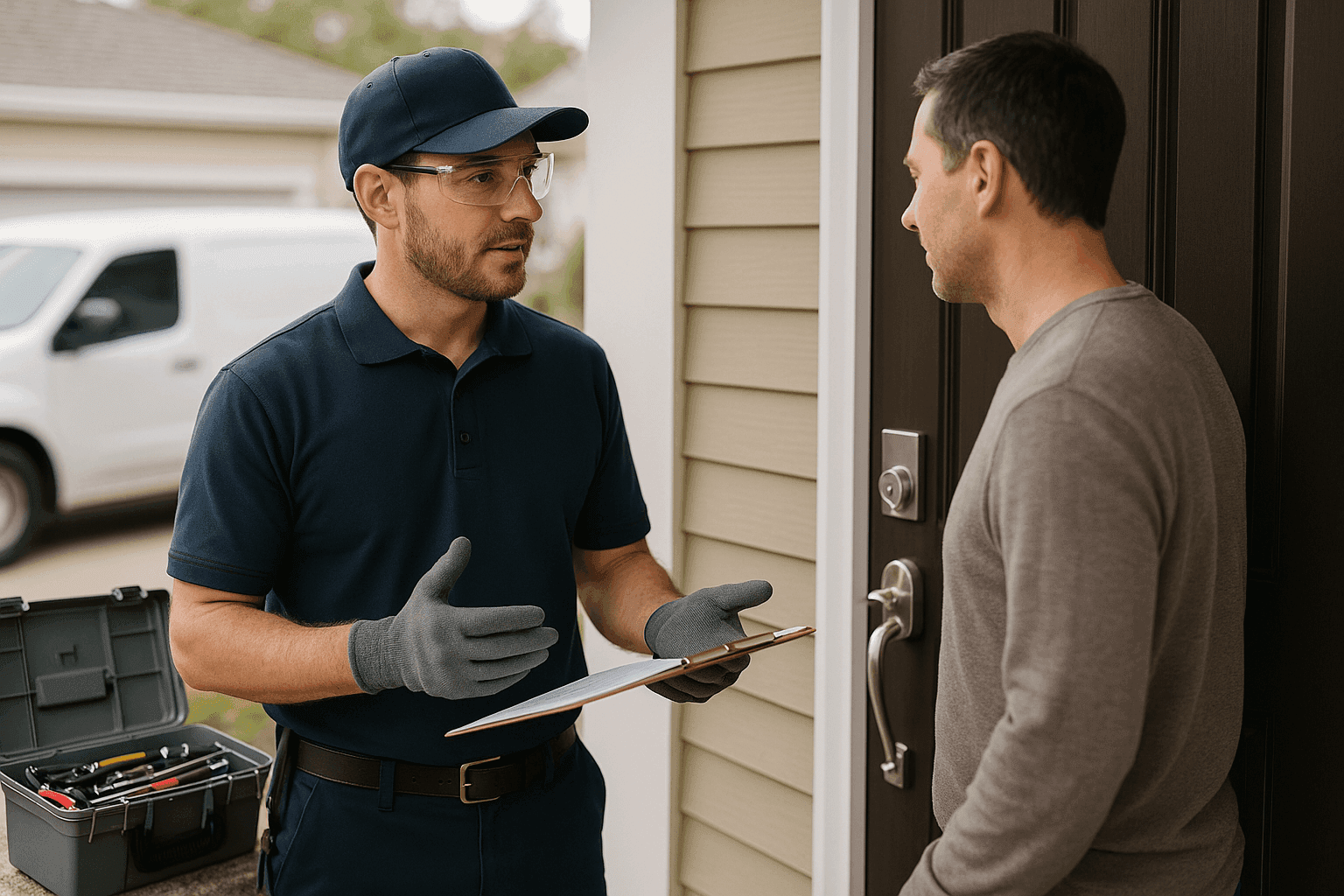
Locked out at midnight? Key snapped in the door just as you’re rushing to an important meeting? Or maybe you’ve just moved and want to make sure your new place is truly yours—right down to the locks. Whatever the reason, needing a locksmith can feel urgent and stressful.
You need someone who shows up fast, knows exactly what to do, and doesn’t make things worse. At Safe Solutions, we know that trust and skill matter more than anything when your security is on the line. Here’s how you can make sure you’re choosing the right locksmith for any emergency or upgrade.
Why Choosing the Right Locksmith Matters 🛡️
Locks are the gatekeepers of our homes and businesses. Picking the wrong locksmith is like handing your keys to a stranger and hoping for the best. The right locksmith is more than a technician—they’re your partner in safety.
- Trust: You’re letting someone into your personal space, sometimes in the middle of the night. You need to know they’re honest and reliable.
- Reliability: Emergencies don’t wait for business hours. A dependable locksmith is available 24/7 and comes prepared.
- Safety: Poor workmanship or the wrong advice can leave you vulnerable to break-ins or future lockouts.
According to the Associated Locksmiths of America (ALOA), always choose a locksmith who upholds industry standards and puts your security first.
Credentials and Certifications to Look For
Not all locksmiths are created equal. Credentials are your first line of defense.
- Licenses: Many regions require locksmiths to be licensed. Ask to see proof. This shows they’ve passed background checks and met training requirements.
- Insurance: Accidents happen. A professional locksmith carries insurance to protect you and your property.
- Professional Affiliations: Membership in organizations like ALOA or the Safe and Vault Technicians Association (SAVTA) shows commitment to ethical practices and ongoing education.
- ID and Uniform: A reputable locksmith arrives in a marked vehicle, wears a uniform, and provides identification without hesitation.
Don’t be afraid to double-check. Your peace of mind is worth it.
Services Offered and Specializations
Locksmithing isn’t one-size-fits-all. Your needs might be straightforward—or highly specialized.
Common Locksmith Services
- Emergency Lockouts: For homes, cars, offices, and even safes.
- Lock Replacement & Repair: Upgrading old locks or fixing damage after a break-in.
- Key Cutting & Duplication: Precise copies for doors, cabinets, and vehicles.
- Security Upgrades: Installing high-security locks, access control systems, and smart locks.
- Burglary Repairs & Boarding Up: Securing your property after an incident.
- Rekeying: Changing the internal mechanism so old keys no longer work.
- Auto Locksmith: Unlocking vehicles, cutting and programming car keys, ignition repair.
- Commercial & Master Key Systems: Managing multiple access points with one key.
- Safe Services: Opening, repairing, or installing safes.
Ask what they specialize in. For example, some locksmiths focus on vehicles, while others are experts in high-security commercial locks. The right match saves time and stress.
Questions to Ask Before Hiring
Don’t just go with the first result from a search or a flashy ad. Ask questions. Listen to the answers.
- Are you licensed and insured?
- What is your response time for emergencies?
- Do you provide written estimates before starting work?
- Are there extra charges for nights, weekends, or holidays?
- What’s your experience with my type of lock or situation?
- Do you guarantee your work and parts?
- Can you provide references or testimonials?
A real professional welcomes your questions. Look for clear, confident answers.
Red Flags and Common Scams 🚨
Unfortunately, not every locksmith has your best interests at heart. Some are out to take advantage—especially when you’re vulnerable.
Watch for these warning signs:
- No Credentials: Refuses to show ID, license, or proof of insurance.
- Unmarked Vehicles: Arrives in an unmarked car or without a uniform.
- Vague Pricing: Gives a suspiciously low quote, then adds hidden fees once the job starts.
- Drilling First: Wants to drill out your lock immediately. Skilled locksmiths try non-destructive methods first.
- Cash-Only: Insists on cash payments or refuses to provide a receipt.
- Pressure Tactics: Pushes you to make quick decisions or buy unnecessary upgrades.
- Generic Answers: Dodges your questions or avoids specifics about their experience.
If something feels off, trust your instincts and look elsewhere.
Matching Services to Your Needs
Every lock and every situation is different. Here’s how to match a locksmith’s expertise to your needs:
For Homeowners
- Emergency Lockouts: Look for someone who responds quickly and uses non-destructive entry methods.
- Security Upgrades: Ask about high-security deadbolts, window locks, and smart home options.
- Burglary Repairs: Choose a locksmith experienced in repairing doors, frames, and fitting new hardware after a break-in.
For Small Business Owners
- Master Key Systems: Simplify access without sacrificing security.
- Access Control: Consider keypads, card readers, or biometric systems for sensitive areas.
- Commercial Lock Repair & Replacement: Look for experience with commercial-grade hardware and compliance with fire and safety codes.
For Vehicle Owners
- Car Lockouts: Ensure they have the tools for your make and model.
- Key Cutting & Programming: Modern cars require specialized equipment for transponder keys and remotes.
- Ignition Repair: Some locksmiths offer on-the-spot repairs or replacements.
Practical Tips for Vetting a Locksmith
- Check Reviews: Look for consistent, positive feedback that mentions professionalism and reliability.
- Ask for Referrals: Friends, family, or colleagues can share trusted contacts.
- Verify Address: Make sure the business has a legitimate, physical address.
- Get a Written Estimate: Avoid surprises by getting details in writing before work begins.
24/7 Availability: Why It Matters
Emergencies don’t keep office hours. Whether it’s midnight or midday, a true emergency locksmith is ready to help. Safe Solutions offers round-the-clock support, so you’re never left stranded.
Real-World Scenarios
Picture this: You’re locked out after a long day, and it’s pouring rain. Or, you’ve just had a break-in and need your doors secured before you can sleep. In these moments, a reliable locksmith isn’t just a convenience—they’re a lifeline.
Questions to Ask Before Hiring
- How soon can you arrive?
- What identification will your technician carry?
- Do you offer both residential and commercial services?
- Can you provide an itemized receipt?
Asking these questions helps you filter out the pros from the pretenders.
Red Flags and Common Scams
- “Too Good to Be True” Pricing: If it sounds too cheap, it probably is. Some scammers lure you in with low prices, then inflate the bill.
- No Physical Address: A reputable business has a real address, not just a phone number.
- Reluctance to Provide Details: Vague answers about services, pricing, or credentials are a red flag.
Stay vigilant. Your security is worth the extra effort.
Customer Testimonials Build Trust
Hearing from others who’ve been in your shoes can provide peace of mind. Here’s what Safe Solutions customers say:
“Locked out of my house at 2 AM, Safe Solutions arrived quickly and got me back inside without any damage. Friendly and professional!”
— Homeowner
“After a break-in, Safe Solutions repaired our door and upgraded our locks. We felt secure again right away.”
— Small Business Owner
Quick Safety Checklist
- Ask for ID and credentials when the locksmith arrives.
- Confirm pricing and get it in writing before work starts.
- Watch the work—don’t leave valuables unattended.
- Save the receipt for your records.
- Test all keys and locks before the locksmith leaves.
DIY vs. Call a Pro
Some lock issues might seem simple—a sticky lock, a loose handle, or a key stuck in the door. Sometimes a little graphite or a screwdriver can help. But forcing things can make matters worse.
Call a pro when:
- You’re locked out (home, car, or office).
- You’ve lost keys and need to rekey or replace locks.
- There’s been a break-in or attempted burglary.
- You need to upgrade security or install new hardware.
- The lock is damaged, jammed, or won’t turn.
A professional locksmith brings specialized tools, training, and experience. They know the tricks of the trade, and they work quickly and cleanly.
What Pros Do On Arrival
A qualified locksmith will:
- Introduce themselves and show ID.
- Assess the situation and explain your options.
- Use non-destructive entry methods whenever possible.
- Provide a written estimate before starting.
- Clean up after the job.
- Offer advice on improving security or preventing future issues.
They’ll never pressure you or rush you into decisions.
Prevention & Maintenance
Don’t wait for an emergency. Regular maintenance keeps your locks working smoothly and extends their lifespan.
- Lubricate locks with graphite or silicone spray every six months.
- Check for loose screws or worn parts.
- Replace old or damaged locks before they fail.
- Upgrade to high-security options if you’ve had a break-in, lost keys, or moved.
- Consider periodic security assessments, especially for businesses.
The National Crime Prevention Council recommends upgrading locks and reinforcing doors as part of a layered security approach.
Costs & Time Factors
Locksmith costs can vary based on:
- Type of service (emergency lockout, replacement, repair, etc.)
- Time of day (after-hours or holidays may cost more)
- Type of lock (standard, high-security, electronic)
- Location and travel distance
A simple lockout might take 10–30 minutes. More complex jobs—like installing a master key system or repairing a damaged door—can take longer. Always ask for a time estimate upfront.
When It’s an Emergency
In an emergency, every second counts. Don’t waste time scrolling through endless ads. Save the number of a trusted emergency locksmith in your phone. Look for:
- 24/7 availability
- Fast response times
- Clear communication and pricing
- Professional credentials
A reliable locksmith is your safety net when things go wrong.
FAQ
How do I know if a locksmith is legitimate?
Ask for their license, insurance, and identification. Check reviews and confirm their business address.
Can a locksmith open any lock without damage?
Most skilled locksmiths use non-destructive methods first. Some high-security locks or damaged mechanisms may require drilling, but this should be a last resort.
What should I do after a break-in?
Call a locksmith to assess and repair damage, rekey or replace locks, and recommend security upgrades.
Is it cheaper to rekey or replace locks?
Rekeying is often less expensive and just as secure if the hardware is in good shape.
Special Considerations for This Service
- High-Security Needs: For safes, access control, or master key systems, ensure your locksmith has specialized training and equipment.
- Commercial Properties: Compliance with fire, safety, and insurance standards is critical. Ask about experience with commercial-grade hardware.
- Automotive Services: Modern vehicles require advanced tools for key programming and ignition repair.
- Upvc Doors & Windows: These need specific parts and expertise—don’t trust just anyone.
Final Thoughts
Choosing the right locksmith isn’t just about convenience—it’s about protecting what matters most. Take a few minutes to vet your locksmith before you need them. Save their number. Share it with family or employees. When you’re prepared, emergencies become a lot less stressful.
Call Safe Solutions now — or reach us anytime at 888-814-8805 .