Essential Security Upgrades for Your Home: Protect Against Break-Ins Year-Round
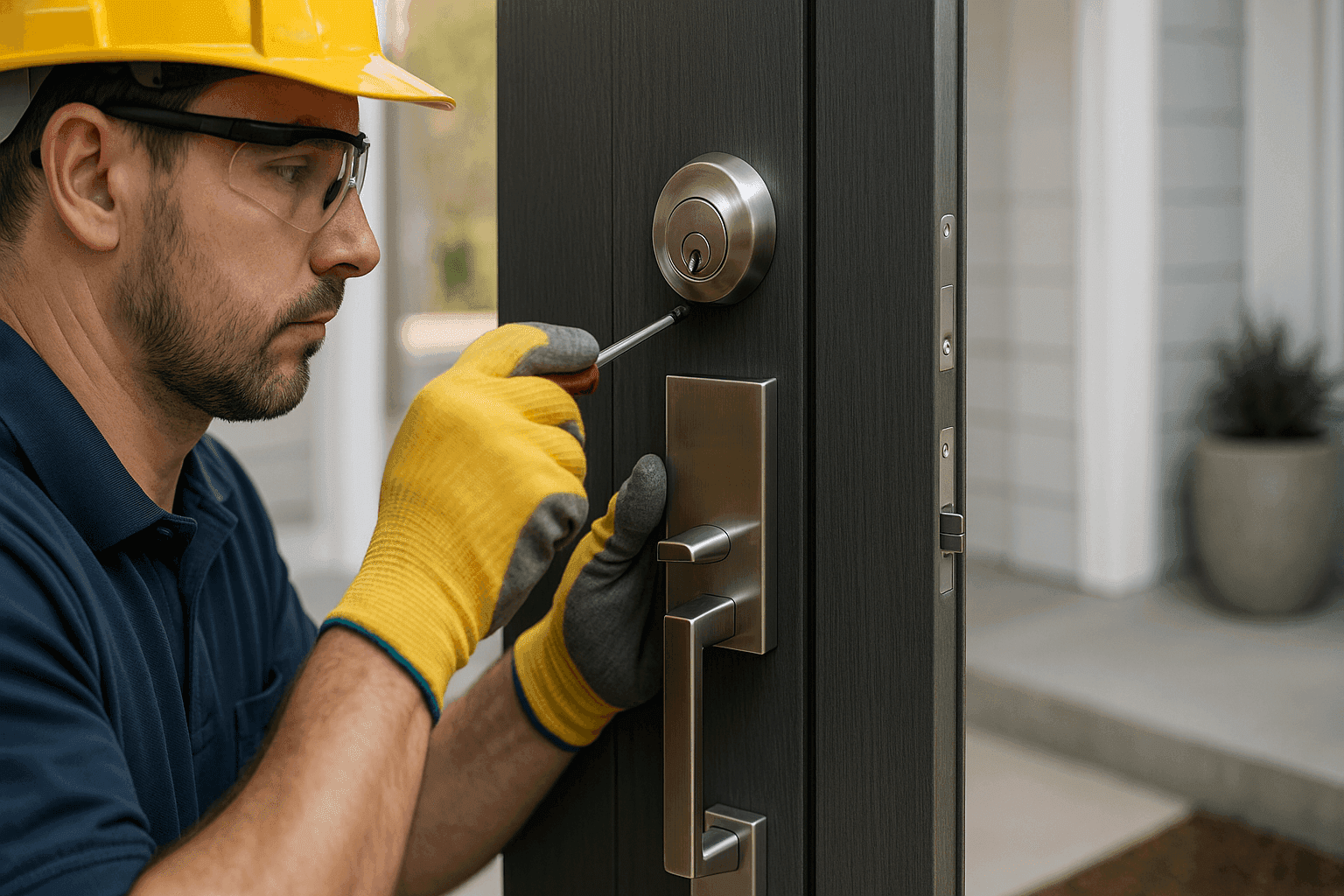
Feeling safe at home isn’t just about having four walls and a roof. It’s about knowing you’ve done everything to keep unwanted guests out—no matter the season, storm, or surprise. At Safe Solutions, we see what happens when security is an afterthought. The good news? A few smart upgrades can keep your home, loved ones, and valuables much safer, year after year.
Break-ins don’t make appointments. They don’t wait until you’re ready. That’s why a proactive approach—tightening up weak spots before they’re tested—can make all the difference. Let’s walk through the most common home security gaps and what you can do, right now, to slam the door on intruders.
Home Security’s Biggest Blind Spots
Every home has its chinks in the armor. Sometimes, it’s a back door with a tired old lock. Other times, it’s a window that won’t quite latch, or a front door that’s seen too many winters. Thieves look for shortcuts. They poke at loose hinges, flimsy frames, and single-cylinder deadbolts you can jiggle open with a credit card.
Here’s what stands out most:
- Weak locks — Low-cost locks are easy targets. Many older locks can be picked or bumped in seconds.
- Old or hollow-core doors — These split under pressure, making forced entry much easier.
- Unsecured windows — Ground-floor windows without secondary locks are often pried open.
- Neglected garages and outbuildings — These are often overlooked, but they can offer easy entry to your home.
The National Crime Prevention Council notes that most break-ins happen through an unlocked door or window. It’s not always brute force. Sometimes, it’s just bad luck—and a forgotten latch.
Quick Safety Checklist 🛡️
Want to see how your home stacks up? Walk through this list:
- Are all exterior doors fitted with deadbolts rated Grade 1 or 2 (ANSI/BHMA standards)?
- Do door frames have reinforced strike plates and at least 3-inch screws?
- Are all ground-floor and accessible windows fitted with window locks?
- Do sliding doors have security bars or pin locks?
- Are shed, garage, and basement doors secured with proper locks?
- Do you use keyless or smart entry systems with strong authentication?
- Is your spare key hidden outside? (If yes, bring it in—burglars know all the tricks.)
- Have you had your locks rekeyed after moving in or losing a key?
- Do you notice any doors that stick, sag, or have visible damage?
- Are your security upgrades checked at least once a year?
If you hesitated on any of these, it’s time for an upgrade.
DIY Fixes vs. Calling a Locksmith
Changing a lock might seem simple—until you’re stuck with a pile of screws and a lock that won’t turn. While some security upgrades can be tackled with basic tools, others are best left to professionals with the right training and gear.
DIY is okay for:
- Installing window locks and bars
- Adding security film to glass
- Fitting a secondary lock (like a chain or latch) to a bedroom door
Call a professional for:
- Installing high-security deadbolts or smart locks
- Reinforcing doors and frames
- Rekeying after a move, tenant change, or lost key
- Master key or access control systems for multi-unit buildings
- Car key programming or ignition repair
- Emergency lockouts—especially if you’re locked out with no spare
Professional locksmiths use certified products, follow local fire and building codes, and know the tricks burglars use—so your upgrades don’t just look strong, they are strong.
What Safe Solutions Pros Do On Arrival
When you call Safe Solutions for a home security assessment or upgrade, here’s what happens:
- Full inspection — We check every entry point: doors, windows, garage, sheds, and even cabinets or postboxes if needed.
- Risk review — We flag anything that’s out of date, damaged, or not up to today’s safety standards.
- Product recommendations — Only certified locks, hardware, and security systems, chosen for your budget and needs.
- Professional installation — Doors and frames are reinforced. Locks are correctly aligned to prevent sticking or sagging. Smart access systems are set up and tested.
- Key management — Rekeying, key cutting, duplication, or setting up master key systems, so you always know who has access.
- Clear handover — You get maintenance tips and a chance to test everything before we leave.
We’re always ready—24/7 emergency locksmith support means help is never far away.
Prevention & Maintenance: Security’s Secret Ingredient
Security isn’t a one-off job. Locks and doors wear out. Technology changes. The trick is to stay a step ahead.
Routine maintenance tips:
- Check locks and handles for looseness every 6 months.
- Oil moving parts with graphite or a lock-specific lubricant—not WD-40.
- Inspect door frames and hinges for cracks or signs of force.
- Test window locks before storm season.
- Change batteries in smart locks and keypads as recommended.
- Schedule professional rekeying after a lost key, break-in, or move.
According to the Home Office (UK) and U.S. Department of Justice, most burglars are deterred by visible, well-maintained locks and security features. A rusty lock or sagging door signals easy pickings.
Costs & Time Factors: What to Expect
No one wants to bust their budget on security upgrades. But a broken lock or door after a break-in often costs much more—both financially and emotionally.
- Basic lock replacement: 15–30 minutes per lock
- Rekeying: 10–20 minutes per cylinder
- High-security deadbolt installation: 30–60 minutes per door
- Smart access or master key system: 1–2 hours, depending on setup
- Door/frame reinforcement: 1–2 hours
- Emergency lockout service: 15–45 minutes, depending on the lock
Material costs vary by brand and certification. Certified products—especially those rated by ANSI, BHMA, or Sold Secure—offer peace of mind and meet insurance requirements. Labour fees reflect the complexity of the job and time of day (after-hours emergency locksmith calls can cost more).
When It’s an Emergency
Break-ins. Jammed locks. Lost car keys at 2 AM. Emergencies strike when you least expect them. That’s when response time matters most.
Safe Solutions is equipped for:
- Emergency lockouts (home, car, business)
- Burglary repairs and urgent boarding up
- Lost or stolen key situations (rekeying near you, fast)
- Fixing damaged doors, frames, windows, and security hardware
- Car key cutting, programming, and ignition repair on-site
In an emergency, don’t try to force the lock or door. It’s easy to cause more damage or void insurance. Call an emergency locksmith right away.
Frequently Asked Questions
How often should I upgrade my locks?
Most locks last 7–10 years with regular use. Upgrade sooner if they show signs of wear, if you lose a key, or after a break-in.
What’s the difference between rekeying and replacing locks?
Rekeying changes the internal pins so old keys no longer work—ideal after moving or losing keys. Replacing means fitting a brand-new lock, often for better security or if the old lock is damaged.
Do smart locks really improve security?
Yes, modern smart locks with strong authentication (like two-factor codes or biometrics) are harder to bypass. But they must be installed and maintained correctly.
Are window locks really necessary?
Absolutely. Many break-ins happen through windows—especially if they’re out of sight. Window locks add a crucial layer of protection.
Local and Seasonal Considerations 🌦️
Security risks shift with the calendar. During holidays or summer travel, empty homes are tempting targets. Storm season can weaken doors and windows, making forced entry easier.
- Before travel: Double-check all locks, reinforce doors, and ask a neighbor to check in.
- After storms: Inspect for damage—waterlogged wood can crack or swell, weakening security.
- Holidays: Don’t advertise your absence on social media. Use timers for lights or smart home systems.
- Urban vs. rural: City homes may benefit from access control and master key systems; rural properties often need stronger door and window hardware due to isolation.
Stay alert to changes in your neighborhood—new construction, vacant properties, or recent break-ins can increase risk.
Home Security Checklist
- [ ] Upgrade all exterior door locks to high-security deadbolts (Grade 1 or 2)
- [ ] Reinforce door frames and hinges
- [ ] Install window locks on all accessible frames
- [ ] Add security bars or pins to sliding doors
- [ ] Consider a smart access system for main entry points
- [ ] Rekey locks after move-in, tenant change, or lost key
- [ ] Check and maintain locks every 6–12 months
- [ ] Test all entry points after severe weather
- [ ] Secure garage, shed, and side doors
- [ ] Keep a list of all keys and who has them
Review this list twice a year. It’s the surest way to spot gaps before someone else does.
Ready to make your home stronger, smarter, and safer? Upgrading your security isn’t just a project—it’s peace of mind, one lock at a time.
Call Safe Solutions now — or reach us anytime at 888-814-8805 .